


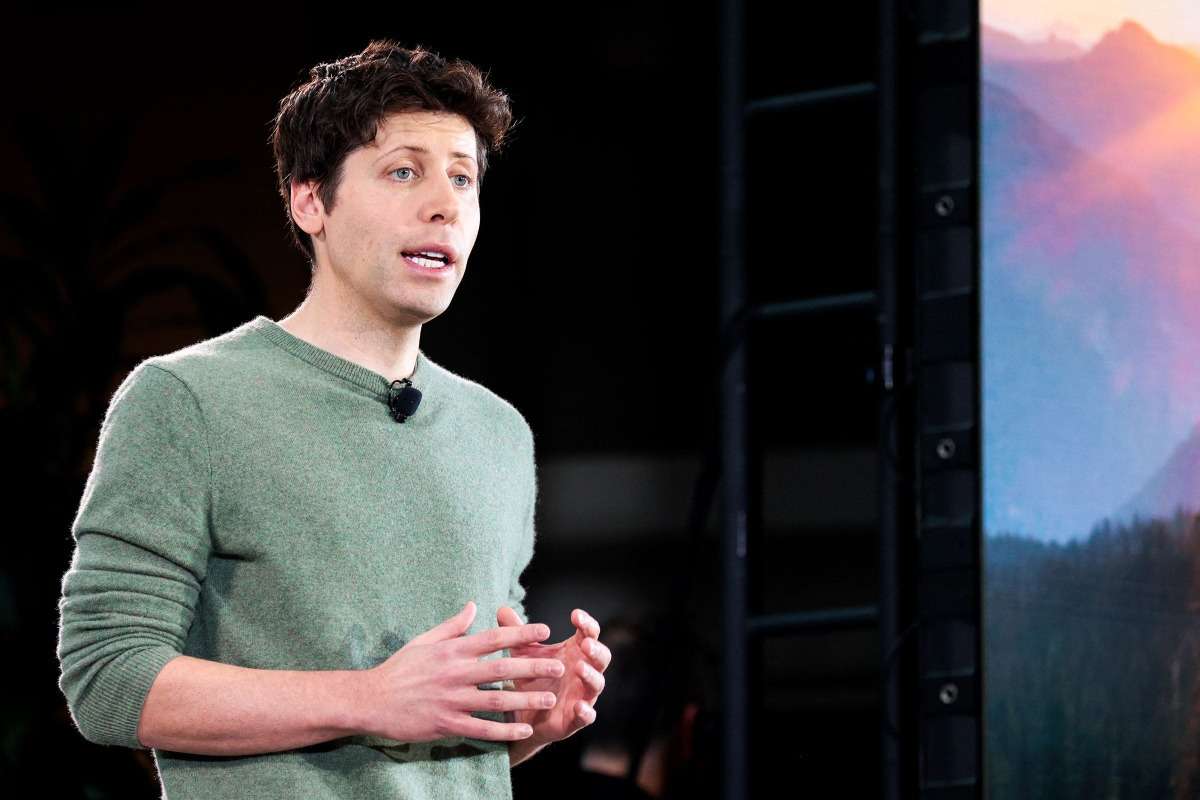
Sam Altman recently made an argument about AI that I think deserves more attention. His view is that the world may have to accept some negative consequences of AI because the technology could also bring enormous benefits. And honestly, this is where the conversation becomes complicated. We often talk about AI as if progress is automatically good, but progress always comes with trade-offs. AI can make businesses faster, help people learn, create new opportunities and solve problems that once seemed impossible. But what happens to the people whose jobs disappear, the communities affected by automation, or the countries that don't have the infrastructure to benefit from it?
The bigger question for me is who gets to decide what price is acceptable? Silicon Valley companies developing these systems may see disruption as part of progress, but the person losing their job may see it very differently. A highly educated professional in the United States, a young graduate in Zimbabwe, and a small business owner in South Africa may experience the same AI revolution in completely different ways. This is why the AI conversation cannot only be about what the technology can do. We also need to ask who benefits, who carries the risks, and whose voices are included when these decisions are made.
I don't think the answer is to stop AI. The technology is already changing the world, and there are huge opportunities for Africa if we approach it strategically. But we shouldn't blindly accept every negative consequence in the name of innovation either. Progress should not simply mean moving forward; it should mean moving forward in a way that brings more people with us. AI may create some of the greatest opportunities of our generation, but the real test will be whether we use those opportunities to build a better future for everyone , not just the people who built the technology.





Commenting is currently turned off.