


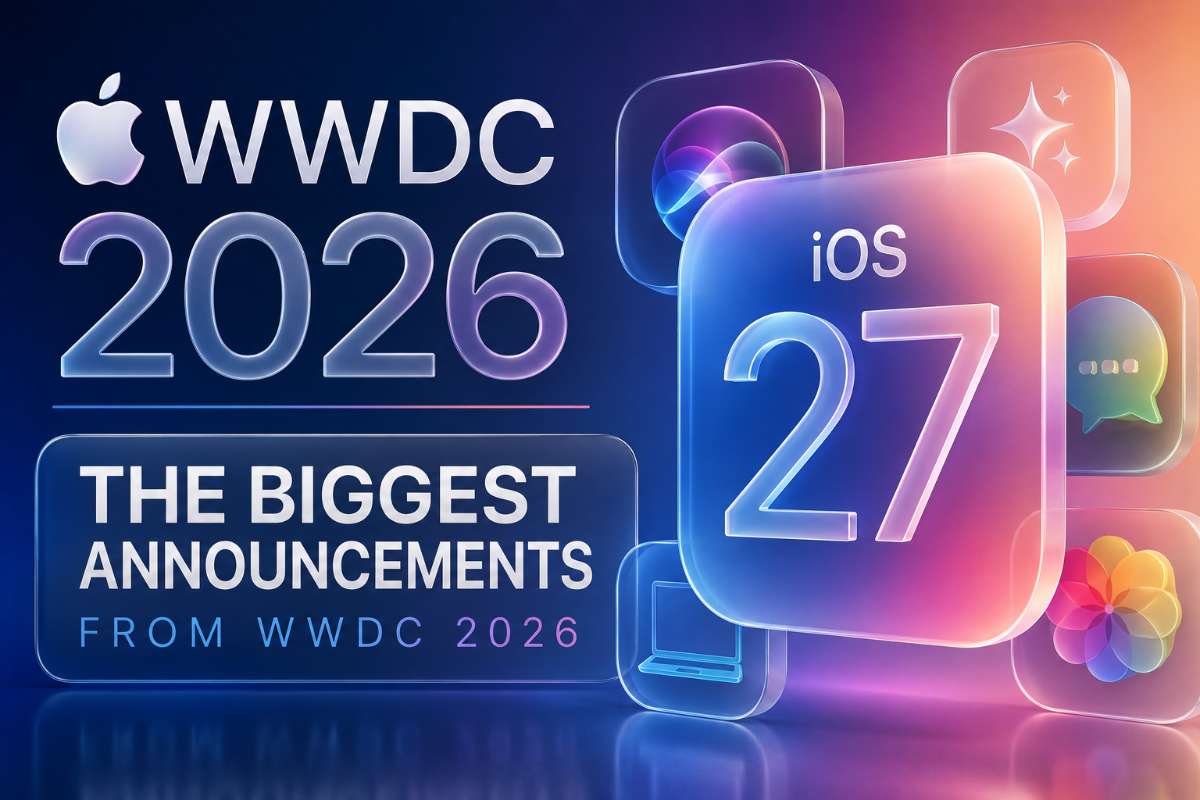
If you use an iPhone every day, Apple's WWDC event is one of the most important tech events of the year, even if you've never heard of it before.
WWDC (Worldwide Developers Conference) is Apple's annual showcase for the software updates coming to iPhones, iPads, Macs and other devices. While developers attend to learn about new tools, the announcements ultimately affect millions of ordinary users.
In simple terms, WWDC is where Apple tells users: "This is how your devices are going to work differently in the months ahead."
This year's event was especially significant because Apple finally addressed one of the biggest criticisms levelled against it: falling behind in the AI race.
Siri Finally Gets Smarter
The headline announcement was a major Siri upgrade. For years, Siri could handle basic tasks but often struggled with more complex requests. Apple says that's changing.
The new Siri can:
- Understand natural conversations.
- Remember context from previous questions.
- Handle follow-up requests without repetition.
- Work across multiple apps.
- Understand what's on your screen and act on it.
For example, you could ask Siri to find photos someone sent you and add them to an album, or summarise a document and draft a message based on it.
Instead of acting like a simple voice command tool, Siri is evolving into a true AI assistant.
Apple Intelligence Expands Across iPhone
Apple's AI system, called Apple Intelligence, is now built into the operating system rather than existing as a standalone feature.
Some of the new capabilities include:
Smarter Safari
Safari can now:
- Organise tabs automatically.
- Notify you when webpages change.
- Alert you when products come back into stock.
- Track price drops.
Easier Shortcuts
The Shortcuts app is becoming more user-friendly. Rather than building automations manually, users can describe what they want in plain language.
For example:
"When I arrive home, switch on Low Power Mode and send my wife a message."
The iPhone can create the shortcut for you.
Apple Intelligence is also being integrated into apps such as Messages, Notes, Home and Passwords to reduce the number of steps needed to complete everyday tasks.
Better Photo Editing Built In
Apple is also improving the Photos app with AI-powered editing tools.
Users will be able to:
- Remove unwanted objects.
- Reframe images automatically.
- Extend parts of photos using generative AI.
- Improve compositions with minimal effort.
Many of these tasks previously required third-party apps, making this a useful addition for content creators and everyday users alike.
iPadOS 27: Making The iPad More Capable
Apple didn't forget the iPad.
iPadOS 27 brings many of the same Apple Intelligence features found on the iPhone, including the smarter Siri experience and AI-powered tools in apps like Notes and Messages.
Apple is also continuing its push to make the iPad a more capable productivity device. Improvements to multitasking, file management and Apple Pencil integration aim to narrow the gap between the iPad and a traditional laptop.
For students, professionals and creatives who rely on iPads, these updates could make everyday workflows smoother and more efficient.
macOS 27: AI Comes To The Mac
Mac users are also getting a significant upgrade with macOS 27.
Apple Intelligence is being woven throughout the Mac experience, allowing users to summarise documents, draft emails, organise information and automate tasks more naturally.
The smarter Siri can understand what's happening on your screen and help complete actions across apps, while Safari gains the same intelligent browsing features announced for iPhone.
Apple also introduced refinements to the Mac interface, performance improvements and deeper continuity features that make it easier to move between Macs, iPhones and iPads.
A Fresh New Look
Beyond AI, Apple introduced a redesigned interface featuring a glass-inspired aesthetic across its platforms.
Menus, widgets and system elements now feature translucent effects and smoother animations, giving iOS, iPadOS and macOS a more modern appearance. Notifications, Control Centre and several built-in apps have all been refreshed.
It may seem cosmetic, but visual changes are often the first thing users notice after updating their devices.
Good News For Older iPhones
Apple also confirmed that iOS 27 will support devices going back to the iPhone 11.
That's particularly important in Zimbabwe, where many people buy pre-owned iPhones and keep them for several years.
However, there's a catch: some of the most advanced Apple Intelligence features will only work on newer hardware.
Most Zimbabweans won't rush to buy the latest iPhone, Mac or iPad, but these updates still matter because they determine how existing devices will work later this year.
The biggest takeaway from WWDC 2026 is that Apple wants its devices to become more than collections of apps. It wants them to function as intelligent assistants that help users complete tasks more naturally, whether they're using an iPhone, iPad or Mac.
After years of moving cautiously, Apple has finally embraced the AI era. If these features work as promised, the way many people use Apple devices could change dramatically over the next year.



Please login or create account to comment.