


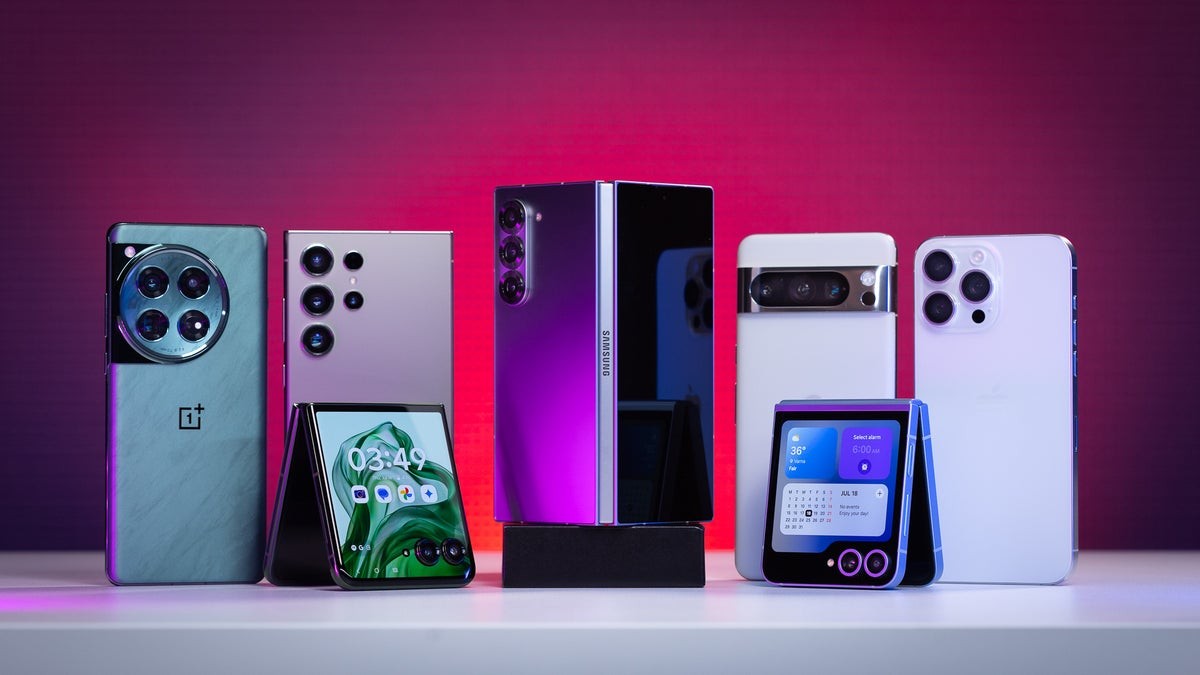
The iPhone 16 just dropped few days ago. If you squint hard enough, you might mistake it for the iPhone 15. Or the iPhone 14. That’s the thing—Apple’s latest flagship looks a lot like the last few models, and it’s not just Apple. Over at Samsung, the newest Galaxy flagship could be confused for its predecessor, too. Five years ago, phone designs were racing forward at breakneck speed. Today, that race feels more like a casual jog.
So, have we hit peak phone design?
The Plateau of the Smartphone
Think back to the early days of smartphones—there was genuine excitement about what might come next. The leap from physical keyboards to all-touchscreen phones was monumental. The first time a phone’s screen stretched edge-to-edge felt like a glimpse of the future. But somewhere along the way, the revolutionary turned evolutionary.
Take the iPhone 16 as a prime example. It’s sleek, fast, and polished—everything you’d expect from an Apple device. But it’s also playing it safe. Gone are the days of big design overhauls; what we have now is iteration. Slimmer bezels? Check. A slightly better camera? Sure. But fundamentally, we’re looking at the same phone from a couple of years ago.
Samsung’s doing the same dance. The Galaxy S24 (or whatever naming convention they’re on) is another refinement. More polish, more megapixels, fewer bezels. It’s a game of minor tweaks rather than bold leaps forward. This brings us to the larger question: is there anything left to change?
The Shrinking Bezel Arms Race
If there’s one trend that has been a constant over the past few years, it’s the quest to eliminate bezels. What used to be a design battle now feels like a slow crawl toward complete bezel-less oblivion. Yes, reducing bezels creates a more immersive display, but it’s hard to get excited about a few millimeters shaved off the sides of a screen.
At some point, this obsession with bezels became the defining characteristic of phone design progress. Yet, after years of refinement, it’s clear we’re scraping the bottom of the innovation barrel. If thinner bezels are all that phone makers can offer, it’s no wonder people are asking if we’ve hit a design wall.
What’s Stalling Innovation?
There’s no singular reason why phone design has plateaued, but a few key factors stand out:
1. Mature Market: Smartphones have reached a level of design maturity. The touchscreen slab has been perfected, and there’s less room for radical improvements. What worked five years ago still works today.
2. Risk and Reward: Let’s face it, redesigns are risky. Consumers are creatures of habit. Drastic design changes come with the risk of alienating a user base that’s become comfortable with how things work. The stakes for experimentation are high, and companies would rather not gamble on a potentially divisive design.
3. Component Limitations: The tech inside smartphones has hit certain limits, too. Battery tech hasn’t seen a massive breakthrough in years, and display innovation has largely leveled out. Sure, we get faster chips and higher refresh rates, but none of these are game-changers anymore.
Foldables: The Future or a Fad?
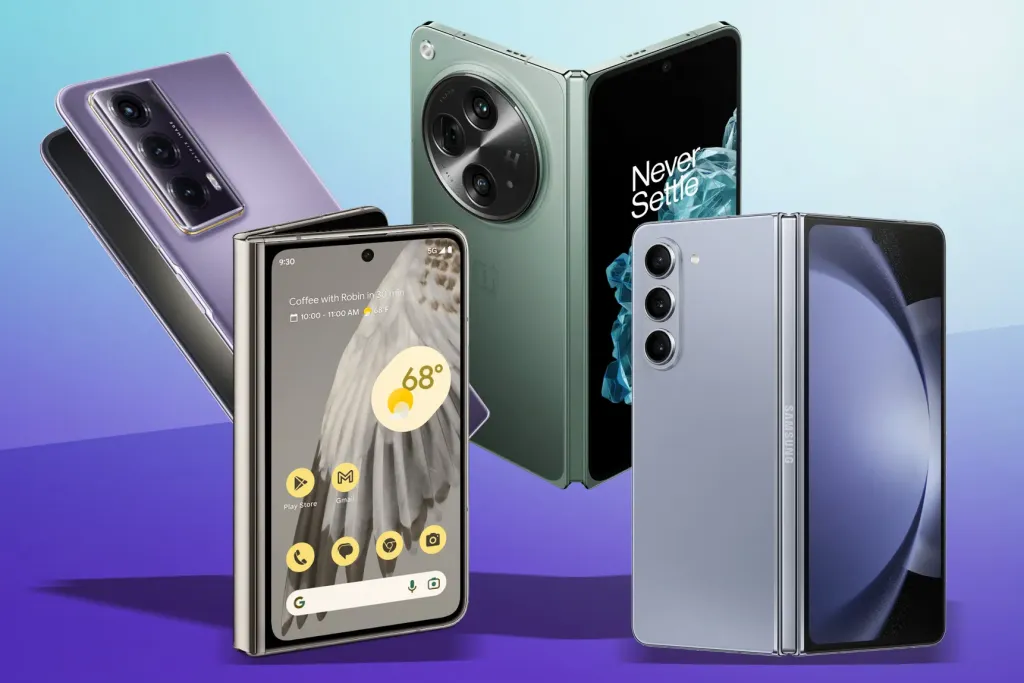
If there’s a glimmer of hope for phone design, it’s coming from foldables. Samsung, Motorola, and a handful of others are betting that foldable screens are the next big thing. The Galaxy Z Fold and Z Flip are exciting to look at, but the jury’s still out on whether they represent the future or a flashy side experiment. Durability issues, high price points, and niche appeal are keeping them from becoming mainstream—at least for now.
Still, foldables show there’s at least some interest in shaking up the standard slab format. They represent the most significant design shift we’ve seen in years. But the real question is whether they’ll ever evolve beyond novelty status and hit the mainstream.
Has Phone Design Peaked?
So, have we reached peak phone design? Maybe. But that’s not necessarily a bad thing. Think about it like cars. They don’t look wildly different every year, but they’re steadily refined and improved. The same might be true for smartphones. We’ve hit a point where radical redesigns aren’t necessary because the fundamental form works.
The focus is shifting elsewhere—better cameras, improved software experiences, seamless integration with other devices. And let’s not forget, augmented reality (AR) and AI are on the horizon, which could redefine how we use phones without needing to overhaul their physical design.
We might not see another smartphone revolution for a while. The next big leap could come in software, or in entirely new types of devices. But for now, we’re stuck with incremental changes, and that’s fine. Phones have become incredibly capable, powerful, and—yes—familiar. The race to perfect the smartphone form might be over, but that doesn’t mean innovation is dead. It just looks a little different now.




Please login or create account to comment.