


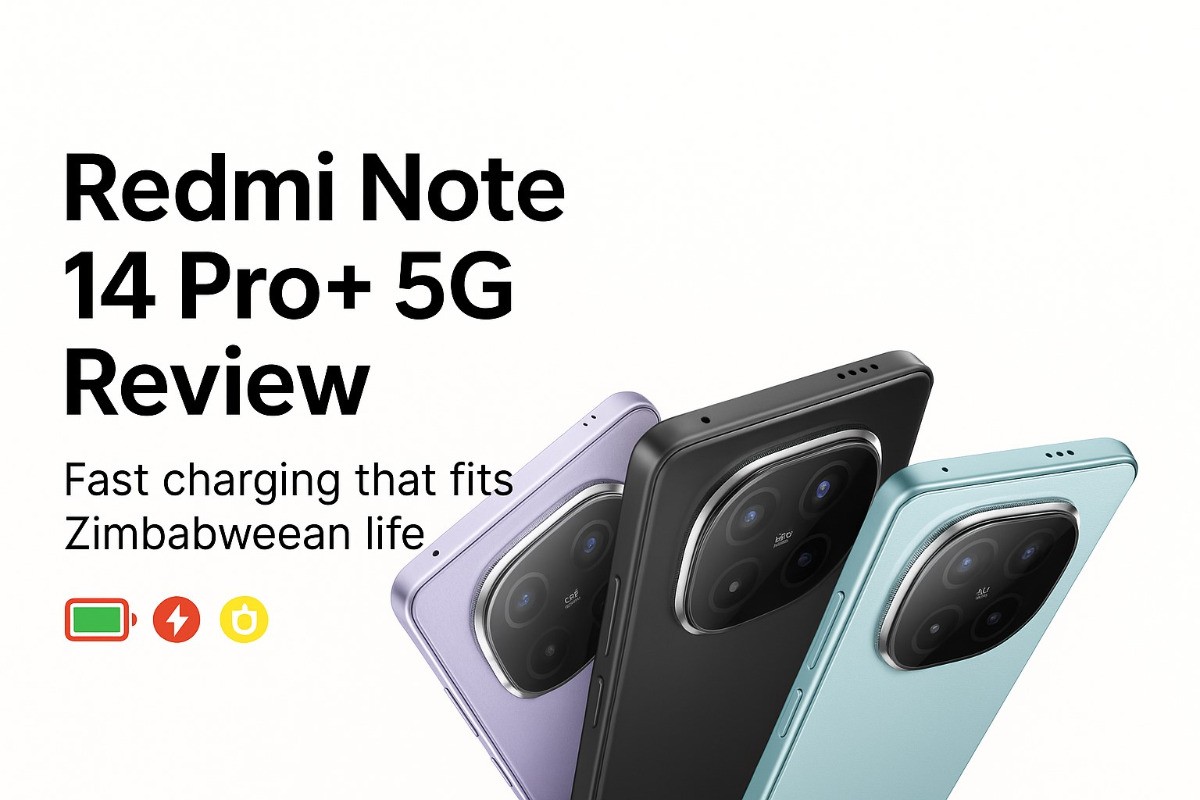
Look, I need to be upfront, am a Xiaomi Redmi fan. My journey started way back with the Redmi Note 5, a phone that completely changed my perception of what an affordable device could offer. Since then, I’ve watched the brand evolve, always seemingly hitting that sweet spot between features, build quality, and a price that doesn’t make your eyes water, especially here in Zimbabwe where every dollar counts.
So, when the Redmi Note 14 Pro+ 5G landed, boasting features like a 200MP camera and that frankly insane 120W HyperCharge, my interest was definitely piqued. Could this ‘plus’ model still deliver the Redmi value I’ve come to love, while pushing into more premium territory?
First Impressions: Still Feels Like Value
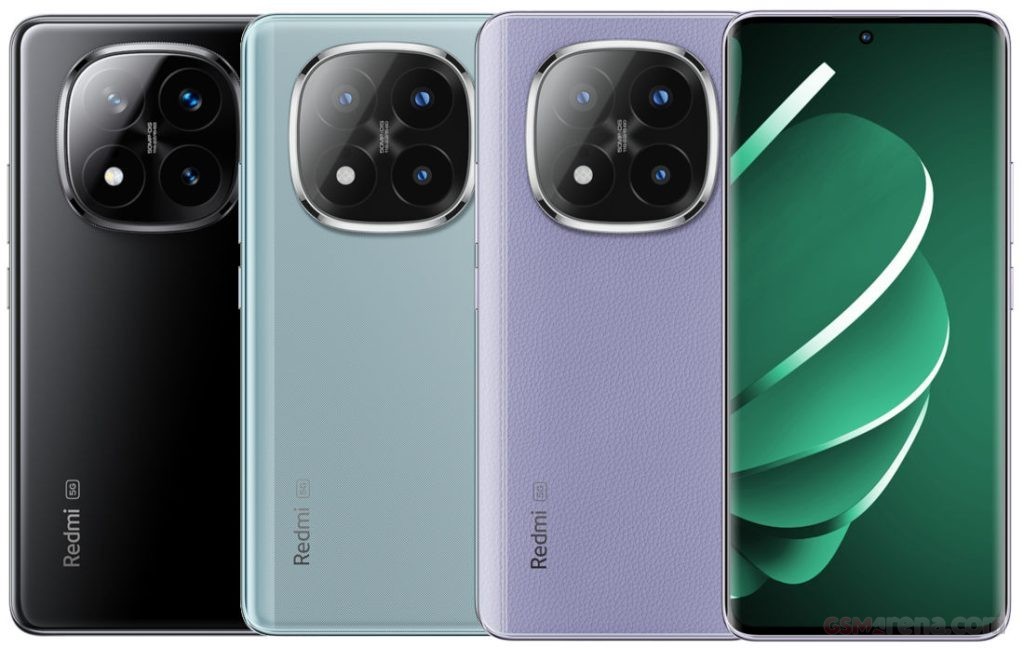
Getting the Note 14 Pro+ out of the box, the first thing that struck me is the build. Reviews I’d read mentioned a ‘premium feel’, and they weren’t wrong. Whether you get the glass or vegan leather back, it feels solid, substantial – a far cry from some flimsy competitors in the mid-range. It reminds me why I stuck with Redmi; they’ve always managed to make their phones feel more expensive than they are. The design is sleek, maybe a bit fingerprint-prone on the glass, but the included case handles that. And IP68 water and dust resistance? That’s proper flagship stuff, offering peace of mind against accidental splashes or the Harare dust.
The display is another immediate highlight. It’s a big, vibrant 6.67-inch AMOLED panel with a smooth 120Hz refresh rate. Scrolling feels fluid, colours pop, and it gets bright enough for outdoor use. Some reviews noted peak brightness wasn’t hitting the absolute maximum advertised numbers in tests, but practically speaking, I’ve had no issues.
Performance and Camera: Mostly Hits, Minor Misses
Day-to-day performance, powered by the Snapdragon 7s Gen 3, is smooth. Apps open quickly, multitasking is handled well, and even a bit of gaming feels responsive. It’s not a top-tier flagship chip, but for everything I throw at it – social media, browsing, work apps, casual gaming – it keeps up without complaint. It feels like a reliable workhorse, which is exactly what you need.
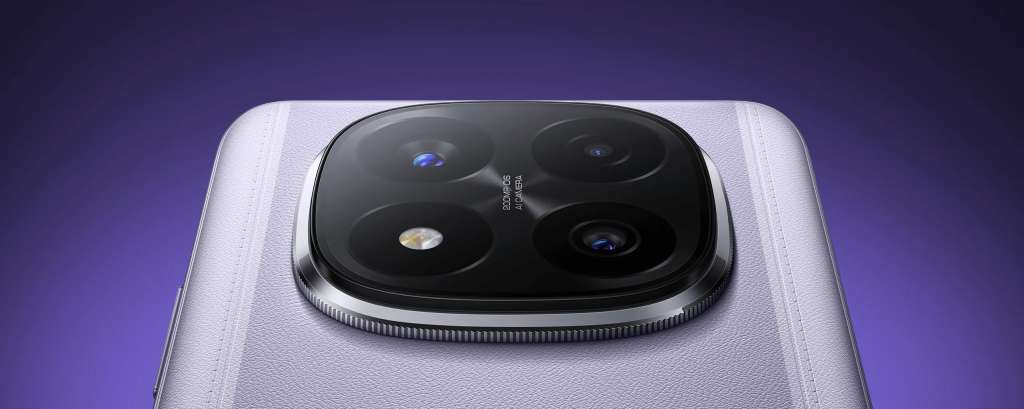
The camera is where things get interesting. That 200MP main sensor sounds impressive, and honestly, in good light, it delivers. Photos are detailed, colours look good, and the sensor-crop zoom (up to 4x) is surprisingly usable. It captures the vibrant colours of our local markets or the details in a landscape quite well. However, let’s be balanced. The supporting cast – the 8MP ultra-wide and 2MP macro – are… well, they’re there. The ultra-wide is decent in daylight but struggles a bit as light drops, and the macro feels more like a spec-sheet filler. Some technical reviews noted it doesn’t top camera rankings, and that’s fair. But for the main camera, the one most of us use 90% of the time? It’s a solid performer for this price bracket, easily capable of capturing great memories.
The Star of the Show: 120W Charging vs. Load Shedding
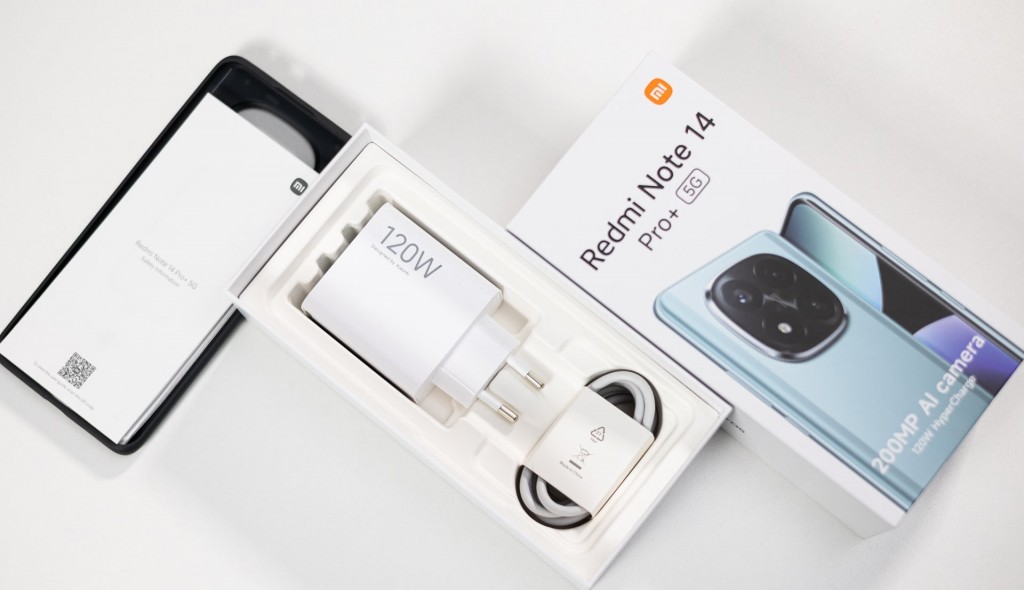
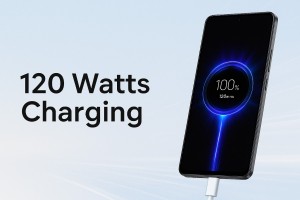
Now, let’s talk about the feature that genuinely changes the game, especially for us here in Zimbabwe: the 120W HyperCharge. Load shedding is a reality we live with. Sometimes you only have power for an hour or two. Trying to get a meaningful charge in that window used to be stressful. Not anymore.
This phone is fast. Like, unbelievably fast. Xiaomi includes the 120W charger in the box and plugging it in feels like activating warp speed. Going from nearly empty to 50% takes about 7-10 minutes, and a full charge? Reviews peg it around 17-21 minutes in real-world tests. I haven’t timed it precisely with a stopwatch, but I can tell you this: during a short power restoration, I can plug this phone in, make a cup of tea, and come back to a battery percentage that will easily see me through the next outage.
It completely removes charging anxiety. Some reviews mentioned the overall battery endurance isn’t class-leading, meaning how long it lasts on a single charge might be just average or slightly below some competitors. Honestly? With charging this fast, it barely matters. A quick 10-minute top-up gives you hours of use. For anyone dealing with unpredictable power, this feature alone is almost worth the price of admission.
Software and Final Thoughts: The Redmi Value Proposition
The phone runs on HyperOS (based on Android). It’s feature-rich, customisable, and generally smooth. Some reviewers find Xiaomi’s software a bit busy compared to stock Android, and that’s a matter of taste. Personally, I’m used to it and find it offers plenty of useful tools.
So, does the Redmi Note 14 Pro+ 5G live up to the Redmi legacy, especially from a Zimbabwean perspective? For me, absolutely. It pushes into a slightly higher price bracket than the Redmis of old (around USD380 locally), but it brings features like that incredible 120W charging, a genuinely premium build with IP68, a great main camera, and a lovely display. Yes, the secondary cameras are average, and battery endurance could perhaps be better if you can’t charge quickly, but the sheer speed of the HyperCharge massively offsets that, particularly in our context.
It still feels like you’re getting a lot of phone for your money. It’s a reliable, well-built device with standout features that directly address local challenges like load shedding. If you’re a Redmi fan like me, or just looking for a powerful mid-ranger that punches above its weight and charges ridiculously fast, the Note 14 Pro+ 5G is a very compelling option on the Zimbabwean market.


Please login or create account to comment.